Pressure Cleaning Pool Surrounds: A Safety Overview
Pressure cleaning helps remove algae, grime and slippery surface growth from pool surrounds. However, excessive pressure, unsuitable chemicals and uncontrolled runoff can damage paving or create new hazards. For Newcastle property owners, safe pool surround cleaning starts with identifying the surface and controlling access to the work area.
Why Pool Surrounds Need Special Care
Moisture, shaded areas and organic debris encourage slippery growth around pools. Newcastle’s coastal conditions can also expose some properties to salt deposits and windblown sand. Cleaning improves surface condition, but it does not fix poor drainage, loose pavers or an unsuitable paving finish.
Inspect the area before cleaning. Cracked tiles, missing grout, lifting coatings and unstable coping need attention first, as a pressure jet can worsen existing damage.
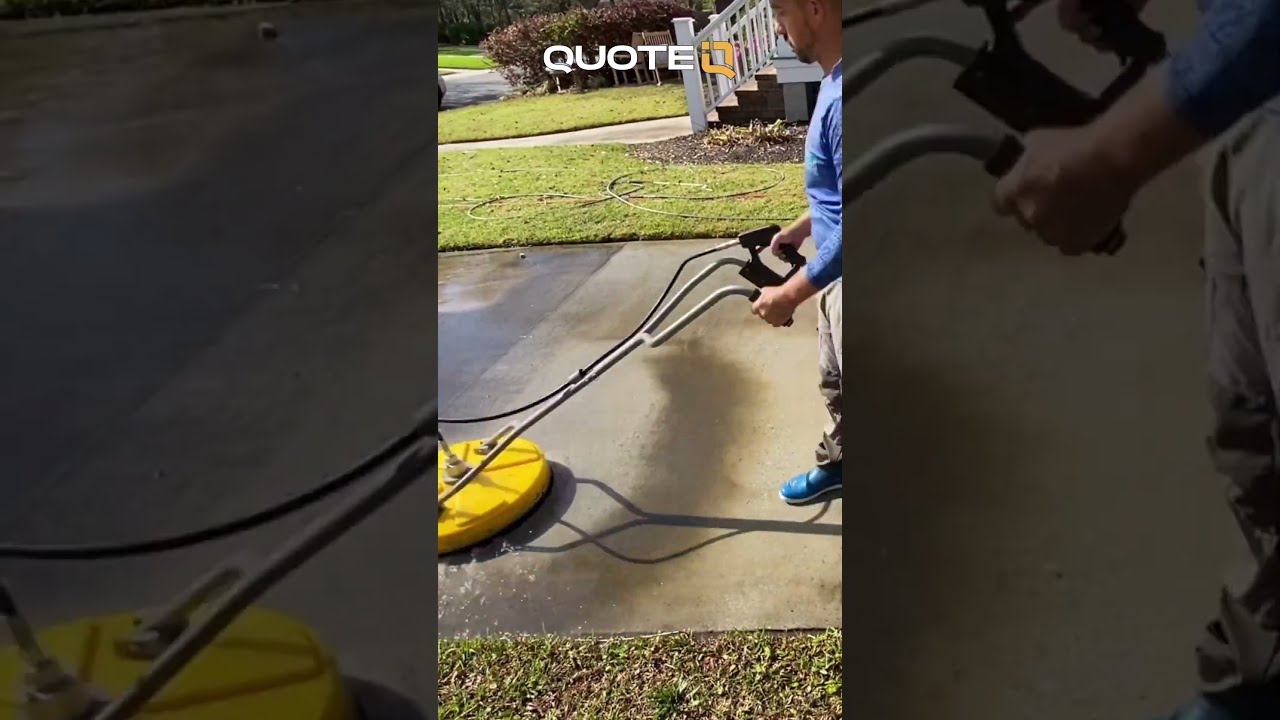
Match the Cleaning Method to the Material
Concrete, natural stone, tiles, timber and composite decking require different approaches. There is no single safe pressure setting for every pool surround. Follow the surface manufacturer’s guidance and test a https://fernandokbeq958.cavandoragh.org/how-to-clean-mould-and-algae-from-shaded-concrete-pathways small, inconspicuous section before proceeding.

Use the lowest effective pressure, an appropriate nozzle and a controlled working distance. Avoid concentrated jets on grout, paving joints, sealants and pool edges. Some surfaces respond better to gentle agitation and a compatible cleaning product than to high-pressure washing.
Essential Safety Precautions
- Restrict access: Keep children, pets and other people away until equipment is removed and the surface is safe to walk on.
- Maintain pool barriers: Do not prop pool gates open or obstruct self-closing and latching mechanisms with hoses.
- Wear protection: Use eye protection, enclosed non-slip footwear and any additional protection specified by the equipment or chemical manufacturer.
- Manage electrical risks: Keep connections dry and away from pooled water. Use appropriate RCD protection for electrical equipment.
- Control the spray: Never direct a pressure jet towards people, animals, electrical fittings or damaged surfaces. Pressure-injection injuries require urgent medical assessment, even when the wound looks small.
Keep Chemicals and Runoff Under Control
Choose products labelled as suitable for the surface and follow dilution, application and rinsing instructions. Never mix chlorine-based cleaners with acids or ammonia, as dangerous gases can form.
Plan runoff containment before starting. Keep sediment, detergent and contaminated wash water out of the pool and stormwater drains. Do not assume a product is safe to discharge because it is described as biodegradable. Check City of Newcastle guidance and, where relevant, Hunter Water requirements before choosing a disposal method.
Check the Area Before Reopening
Rinse away cleaning residue, remove standing water where practical and inspect for displaced jointing material or newly exposed defects. Check that gates operate correctly and that hoses and equipment no longer create trip hazards. Cleaning can improve grip, but it does not guarantee a slip-resistant surface.

When choosing a Newcastle pressure cleaning service, ask how the contractor assesses your paving, protects pool barriers and manages wastewater. A careful, surface-specific approach helps protect both the pool area and the people who use it.
Newcastle Pressure Cleaning Experts
(02) 4082 8401